

Teaching teams as communities supporting student belongingness and self-efficacy
Teaching teams, cohorts of instructors, teaching assistants, and learning assistants play a crucial role in student success. Research indicates that effective collaboration within teaching teams enhances instructional quality and supports diverse student needs, leading to improved academic outcomes (Felner et al., 2007). This project extends existing knowledge by exploring different U of A faculty strategies to optimize team dynamics, thereby fostering a more inclusive and supportive learning environment for students, teaching and learning assistants, and faculty. Utilizing a communities of practice framework (Wenger, 2011), this project examines how teaching teams function across disciplines and teaching modalities to support students’ sense of belonging and academic self-efficacy. Our participatory research design foregrounds the voices, experiences, and perspectives of teaching team members and students to understand the dynamics of teaching teams within this framework. Findings from this project will provide evidence-based guidance for U of A faculty to redesign their teaching teams, integrating practices that enhance successful and meaningful student experiences. These findings will be disseminated through existing networks across the University, including Faculty Learning Communities.
>>> Learn more about CUES Spanning Boundaries Challenge Grants
TA/LA Spanning Boundaries Challenge 2024 Team
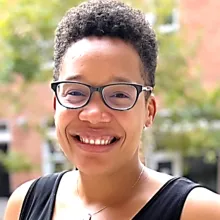
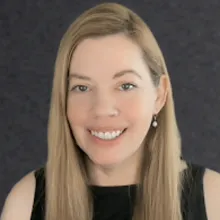
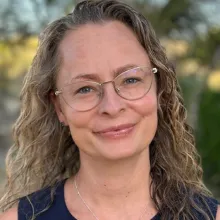
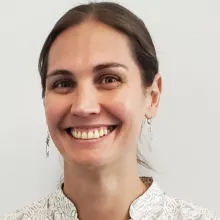

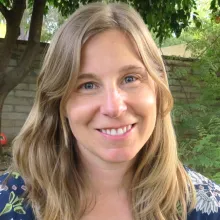
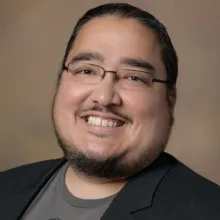
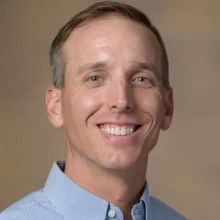
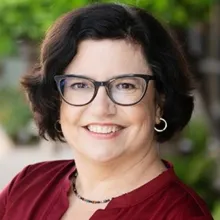
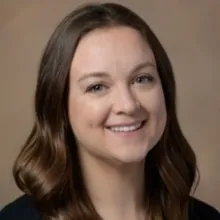
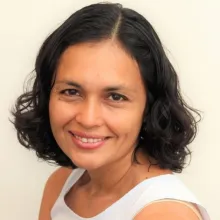
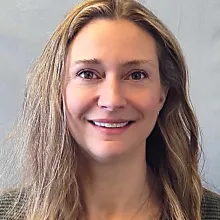
From left:
- Corin Gray, Molecular & Cellular Biology, College of Science
- Arin Haverland, Environmental Science, College of Agriculture, Life & Environmental Sciences
- Emily Dykstra, Molecular & Cellular Biology, College of Science
- Susan Hester, Molecular & Cellular Biology, College of Science
- Sarah Grace, Psychology, College of Science
- Elizabeth Eadie, Anthropology, College of Social & Behavioral Sciences
- John Kanady, Physiology, College of Medicine-Tucson
- Daniel McNabney, Physiology, College of Medicine-Tucson
- Lisa Rezende, Molecular & Cellular Biology, College of Science
- Allyson Roof, Physiology, College of Medicine-Tucson
- Alma Tejeda Padron, Psychology, College of Science
- Laura Van Dorn, Chemistry & Biochemistry, College of Science
TA/LA Advocacy/Advisory Board
The board -- comprised of experts on TAs/LAs and leads from the CUES Mapping Educational Challenges Workshop on TAs/LAs, will provide guidance for this project.
- Mascha Gemein, Educational Development, University Center for Assessment, Teaching & Technology
- James Hunt, Human Development & Family Science, College of Agriculture, Life & Environmental Sciences
- William Neumann, Management Information Systems, Eller College of Management
- Lucinda Rankin, Physiology, College of Medicine-Tucson
Project Outcomes
This project investigated the experiences and dynamics of teaching teams across six different disciplines, exploring how such teams function as communities of practice. Through the qualitative analysis of survey and focus group data, this project captured the perspectives of more than 100 undergraduate and graduate student teaching team members. Preliminary research findings point to mutual support, communal learning, intentional communication and regular teaching team meetings as critical practices for fostering community, collaboration and supporting teaching team development and engagement. Participating teaching team members also emphasized the importance of seeing the impact of their contributions, feeling heard and working collectively on student success. To translate findings into practice, two cross-disciplinary Faculty Learning Communities (FLCs) were facilitated as part of this project. FLC faculty participants systematically evaluated and designed their teaching teams and created customized implementation plans and resources for their courses. Formative FLC assessment indicated that participants valued the structured redesign process, increased their confidence in facilitating teaching teams and identified additional relevant professional development needs. This feedback has informed the creation of resources to be adapted into future campus-wide workshops. Project dissemination efforts include conference presentations, white papers and future peer-reviewed publications.
Presentations
AUG 2026: From Research to Practice: Faculty Learning Communities for Redesigning Teaching Teams, 2026 Physiology Majors Interest Group (PMIG) Conference, University of Georgia, Athens, GA.
JUL 2026: Understanding the Dynamics of Teaching Teams through the lens of Communities of Practice, 2026 Physiology Majors Interest Group (PMIG) Conference, University of Georgia, Athens, GA.
JUL 2026: Understanding the Dynamics of Teaching Teams through the lens of Communities of Practice, 2026 SABER Annual Meeting, Michigan State University, East Lansing, MI.
APR 2026: Small Practices, Big Impact: Building Belonging in Teaching Teams, 2026 Teaching Exchange Workshop, University of Arizona, Virtual.
APR 2026: Teaching Teams as Communities of Practice: Reimagining Classroom Belonging in Undergraduate Education, 2026 AAC&U Conference on Learning and Student Success (CLASS), Tucson, AZ.
MAR 2026: Reimagining teaching teams as communities of practice—a cross-disciplinary perspective, CUES Inside U of A-Funded Scholarship Series, University of Arizona, Tucson, AZ.
MAR 2026: Small Practices, Big Impact: Building Belonging in Teaching Teams, 2026 Teaching Exchange Symposium, University of Arizona, Tucson, AZ.
FEB 2025: Data Collection and Analysis, Session 3 of the Engaging with the Scholarship of Teaching and Learning Workshop Series, University of Arizona, Tucson, AZ.
Broader Engagement
FALL 2025: Faculty Learning Community: Do you work with Learning or Teaching Assistants and want to enhance how they contribute to your course?, University of Arizona, Tucson, AZ.